If you keep seeing the word in headlines and wonder what is biotechnology, here is the short answer: it is the use of living cells and biological molecules to make products or answer research questions.
This guide stays with the science and the tools, and it points to published sources for the details.
| Item | Value |
|---|---|
| Year NHGRI began tracking sequencing costs | 2001 |
| Month sequencing cost data switched to next-generation platforms | January 2008 |
| Coverage assumed for Illumina and SOLiD in cost-per-genome estimates | 30-fold |
| Overall success rate, rare disease drugs for non-cancer indications (2016 report) | 25% |
| Overall success rate, projects that included biomarkers (2016 report) | 26% |
These figures come from NHGRI’s DNA sequencing cost data and a Nature Reviews Drug Discovery news item. They can change, so check the source before you rely on them.
What biotechnology actually means
Biotechnology is a broad label, not a single technique. It covers anything from the old craft of brewing with yeast to modern laboratory methods that read, copy or edit DNA. Different agencies word the definition differently, so it helps to think of it as a family of methods that share one idea: biology as a tool.
The US National Human Genome Research Institute describes one core method, genetic engineering, as a process that uses laboratory-based technologies to alter the DNA makeup of an organism. Its glossary adds that the approach is used in research and industry, and has been applied to the production of cancer therapies, brewing yeasts, genetically modified plants and livestock. You can read that wording in the NHGRI genetic engineering entry.
For a drug-research audience, the useful way to split the field is by what the tool does:
- Reading biology: sequencing DNA and RNA, measuring proteins.
- Writing or editing biology: genome editing, recombinant DNA, synthetic constructs.
- Building with biology: cell cultures, engineered cells, protein production.
- Modelling biology: lab-grown tissue models and computational analysis.
This site is an independent educational resource. It explains the science and the industry, and it does not offer medical advice or recommend any company or product.
A short history of the idea
People have used living organisms for practical ends for a very long time, through bread, beer, cheese and selective breeding. What changed in the twentieth century was the ability to work at the level of molecules. Once researchers could isolate, copy and recombine DNA, biology became something that could be engineered with some precision.
Today the word often implies that molecular layer. When a news story says “biotech”, it usually means a company or lab using DNA, RNA, proteins or engineered cells, rather than traditional fermentation alone.
Why the definition matters for readers
A broad definition can blur real differences. A yeast strain engineered to make a protein, a sequencing instrument and a gene-editing experiment are all biotechnology, yet they carry very different risks, costs and timelines. Keeping the categories separate makes claims easier to judge.
Biotechnology and drug research: how they connect
Drug research starts with a question: which molecule in the body is involved in a disease, and could something change its behaviour? Biotechnology supplies the tools that answer the first half of that question and, increasingly, make the candidate itself. If you want the wider pipeline, our guide on what is drug discovery walks through the stages from target to trial.
Biotechnology contributes at several points in that pipeline:
- Finding targets. Sequencing and protein measurement help researchers compare healthy and diseased samples.
- Testing ideas. Cell models, edited cell lines and tissue models let teams probe a target before any animal or human study.
- Making candidates. Living cells can be engineered to produce proteins, antibodies or other biological molecules.
- Measuring effects. Molecular readouts act as biomarkers that may show whether a candidate engages its target.
None of this ensures a useful result. Each step narrows a large list of ideas down to a small one, and most ideas drop out along the way.
It also helps to separate tools used for discovery from tools used for manufacturing. A sequencer helps a team understand a disease, whereas a cell culture system helps produce a protein at useful quantity. Both are biotechnology, but they sit in different parts of a programme and are run by different specialists.
Research teams are usually multidisciplinary. Molecular biologists design experiments, data scientists analyse results, chemists and protein engineers shape candidates, and clinicians advise on which disease questions matter. Biotechnology works best as a shared toolkit across these groups, not as the property of any one of them.
Reading biology: sequencing and omics
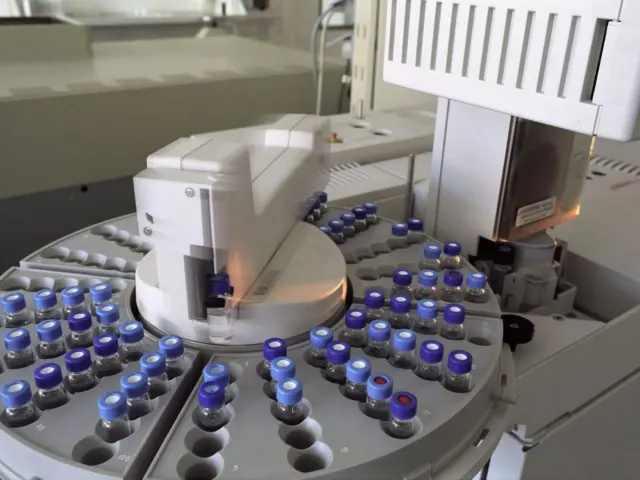
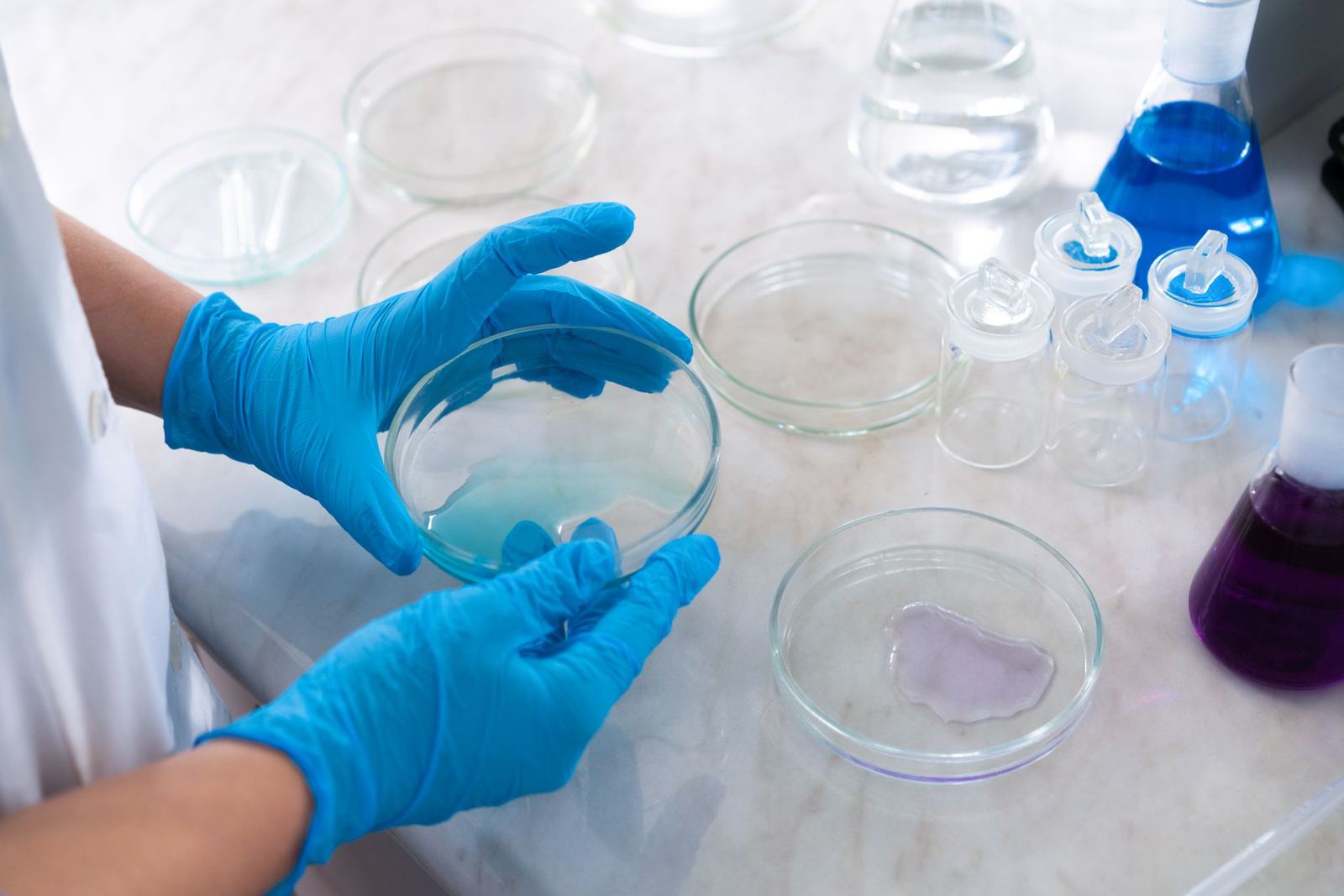
Sequencing is the most visible reading tool. It determines the order of the chemical letters in DNA or RNA, and our explainer on next generation sequencing explained covers how modern machines do this in parallel. The idea is to read millions of short fragments at once and reassemble them by computer.
NHGRI has tracked what this costs at the centres it funds. Its fact sheet says the data run since 2001, and that beginning in January 2008, the data represent the costs of generating DNA sequence using ‘second-generation’ (or ‘next-generation’) sequencing platforms. The same page notes a “sudden and profound out-pacing of Moore’s Law” from that point, which is the agency’s way of saying costs fell faster than computer hardware trends.
Those cost numbers come with caveats. NHGRI says the costs of quality control, technology development, bioinformatics tool development and project management are not reflected in its graphs. A low per-genome production cost therefore does not equal the full cost of a sequencing study.
From bulk samples to single cells
Bulk sequencing averages signal across millions of cells. That can hide the fact that a tissue is a mixture of cell types behaving differently. The approach in single cell rna sequencing explained measures gene activity one cell at a time.
Proteins and the data problem
DNA tells you what a cell could do; proteins do much of the work. Mass spectrometry and related methods measure which proteins are present and in what amounts, a field covered in proteomics explained. Results vary with sample handling.
All of these methods produce more data than people can read directly. The discipline that turns raw output into interpretable results is described in what is bioinformatics.
A practical example shows why scale matters. A research group comparing tumour tissue with nearby healthy tissue might sequence both, measure proteins in both, and look for differences that repeat across samples. Differences seen in only one sample are usually treated as noise until confirmed. Replication, meaning repeating the measurement in independent samples, is the standard safeguard against being misled.
Editing and engineering biology
Editing tools change DNA at chosen positions. The best-known is CRISPR, a system adapted from bacterial defence that uses a guide molecule to direct a protein to a DNA sequence. MedlinePlus Genetics describes genome editing as a group of technologies that give scientists the ability to change an organism’s DNA. Researchers use it to switch genes off in cell lines, which helps them test whether a gene matters for a disease process. The mechanics, and the main risks such as off-target edits, are covered in crispr gene editing explained.
Older and parallel tools matter too. Recombinant DNA technology inserts a gene into a host cell, such as bacteria, yeast or cultured mammalian cells, so that it makes a protein of interest. NHGRI’s glossary notes that genetic engineering has changed over the years, from cloning for analysis and laboratory use to truly synthetic biology for understanding and new biomedical capabilities.
Editing has clear limits:
- Edits can land in unintended places, so teams check for them.
- Getting an editing tool into the right cells in a living body is a separate, hard problem.
- A change that works in a dish may not behave the same way in an animal or a person.
Biological medicines and new modalities
Many modern drug candidates are made by living systems rather than by chemical synthesis. Antibodies, vaccines and certain proteins fall in this group, and the contrast with chemically made molecules is laid out in biologics vs small molecule drugs. Biological molecules tend to be larger and more complex, which affects how they are made, tested and delivered.
Messenger RNA is another example. Instead of delivering a finished protein, the approach delivers instructions that a cell reads to make the protein itself. Our overview of mrna technology explained describes the design questions, such as stability and delivery.
Because rules differ by country and change over time, the regulator’s own pages are the place to confirm how a given product type is handled.
Manufacturing is its own scientific challenge. Because a living system makes the molecule, small changes in cell line, growth conditions or purification can alter the final product. Teams therefore spend a great deal of effort on consistency, measuring the product repeatedly to show that each batch matches the last.
Cell-based and gene-based products add further layers. They may involve taking cells from a person, changing them in the laboratory and returning them, which raises logistics, quality and safety questions that a simple tablet does not. These products are discussed here only as examples of the science, and nothing here speaks to how well any specific product works.
Models that stand in for the human body
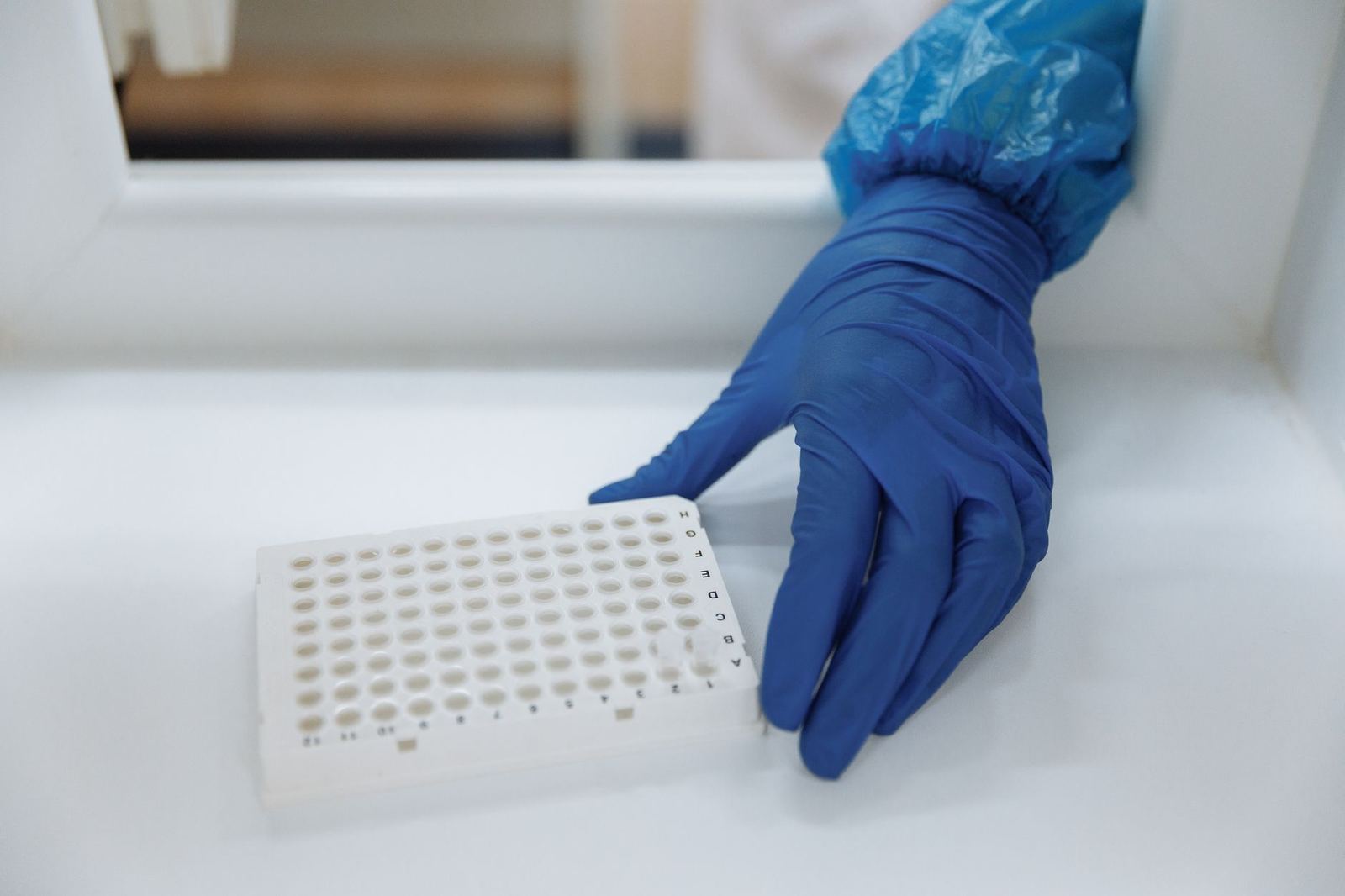
Before a candidate reaches people, teams test it in models. Classic options include immortalised cell lines and animal studies, each with known weaknesses: cell lines can drift from real tissue, and animals differ from humans in important ways.
Lab-grown tissue models try to close part of that gap. Small three-dimensional cultures derived from stem cells are discussed in organoids in drug discovery.
The practical lesson is that every model answers a narrow question. A result is more convincing when several independent models point in the same direction.
Reproducibility is a recurring concern. Two laboratories growing the same type of tissue model can see different behaviour because of small differences in reagents or technique. Standardised protocols and shared reference materials are active areas of work, and they matter because a model that cannot be reproduced cannot be trusted to guide a decision.
Where computation and AI fit in
Biotechnology generates large datasets, and machine learning is one way to search them for patterns. Examples include predicting protein shapes, ranking candidate molecules and flagging sequence features. Our guide on how ai is used in drug discovery looks at these uses in more depth.
A model is only as good as its training data and the question it was built for. Predictions still need laboratory confirmation, and a confident computer output is a hypothesis, not a result.
Biases in data are a practical worry. If most available examples come from a narrow set of populations, cell types or chemical families, a model may perform poorly outside them. Published datasets also tend to favour positive results, so models can inherit an optimistic picture of what works.
For these reasons, many teams treat computational tools as a way to prioritise experiments, not to replace them. The loop of predict, test, learn and retrain is where most of the value is claimed, and it still depends on good laboratory measurements.
What the failure rates tell you
Drug development is a high-attrition process. A 2016 Nature Reviews Drug Discovery news item reported that two studies of clinical trial success rates gave updated granularity to this rule of thumb and showed considerable variation by therapeutic area and drug modality. In other words, the average hides large differences.
The same item reported that rare disease drugs for non-cancer indications had an overall success rate of 25%, and that projects that included biomarkers reached 26%. These are historical figures from one report, not predictions for any particular candidate, and the study populations and definitions matter when comparing them. You can read the item at Nature Reviews Drug Discovery.
Why do candidates fail? Common reasons include:
- The target turns out to be less important to the disease than expected.
- The candidate does not reach the right tissue at a useful level.
- Safety signals appear in larger or longer studies.
- Results from models fail to carry over to people.
No technology removes the need for clinical testing.
Biomarkers deserve a closer look. A biomarker is a measurable biological signal, such as a protein level or a gene variant. The Nature item links biomarker use with a higher overall success rate, but that is an association in historical data, and it does not show that adding a biomarker causes success.
Failure is also informative. Negative results narrow the field, tell teams which targets to drop, and, when shared, spare others from repeating the same experiment. A healthy research culture treats a well-run failed study as useful knowledge.
How to read biotechnology news with care
Headlines tend to compress complicated results. A few habits make them easier to judge:
- Check the stage. A result in cultured cells, in animals and in people mean very different things.
- Look for the comparison. Faster or cheaper than what, and measured how?
- Find the primary source. Regulator pages, trial registries and peer-reviewed journals carry the detail that press releases leave out.
- Notice the dates. Regulatory status and cost figures change, so a number is tied to the date of its source.
Nothing on this site is medical or investment advice. If you have a health question, a qualified clinician is the right person to ask.
Frequently asked questions
Is biotechnology the same as genetic engineering?
Show answer
No. Genetic engineering is one part of biotechnology. Biotechnology also includes older practices such as fermentation and newer measurement tools such as sequencing and proteomics.
Does biotechnology only mean making drugs?
Show answer
No. NHGRI’s glossary notes that genetic engineering is used in research and industry, including brewing yeasts and genetically modified plants and livestock, as well as cancer therapies.
Why is sequencing described as getting cheaper?
Show answer
NHGRI’s data show a sharp change beginning in January 2008, when next-generation platforms entered the series. The agency also notes that its figures leave out costs such as quality control and bioinformatics tool development.
Do better tools mean more candidates succeed?
Show answer
Not automatically. A 2016 report showed success rates varying widely by therapeutic area and modality, and tools mainly help early choices. Clinical testing remains the deciding step.
This article is for information only. It is general education about science and the drug industry, and it is not medical, treatment or investment advice.